
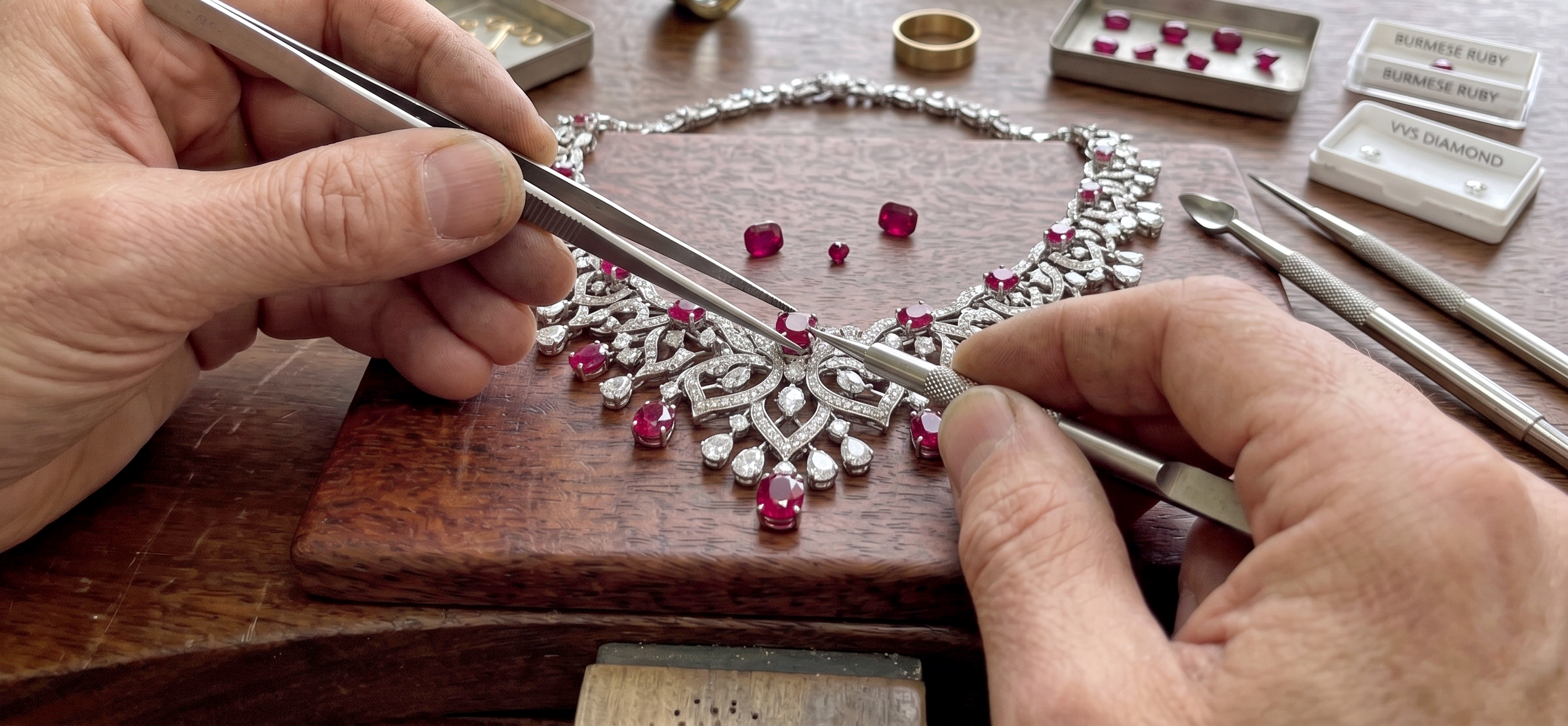
What Jewelers Need to Know About Burmese Rubies
Burmese ruby is the benchmark of the colored stone world — but sourcing it well requires understanding what sets Mogok material apart, what pigeon blood actually means, how heat treatment affects value, and why laboratory documentation has become non-negotiable. A practical trade guide for jewelers working at the top of the ruby market.
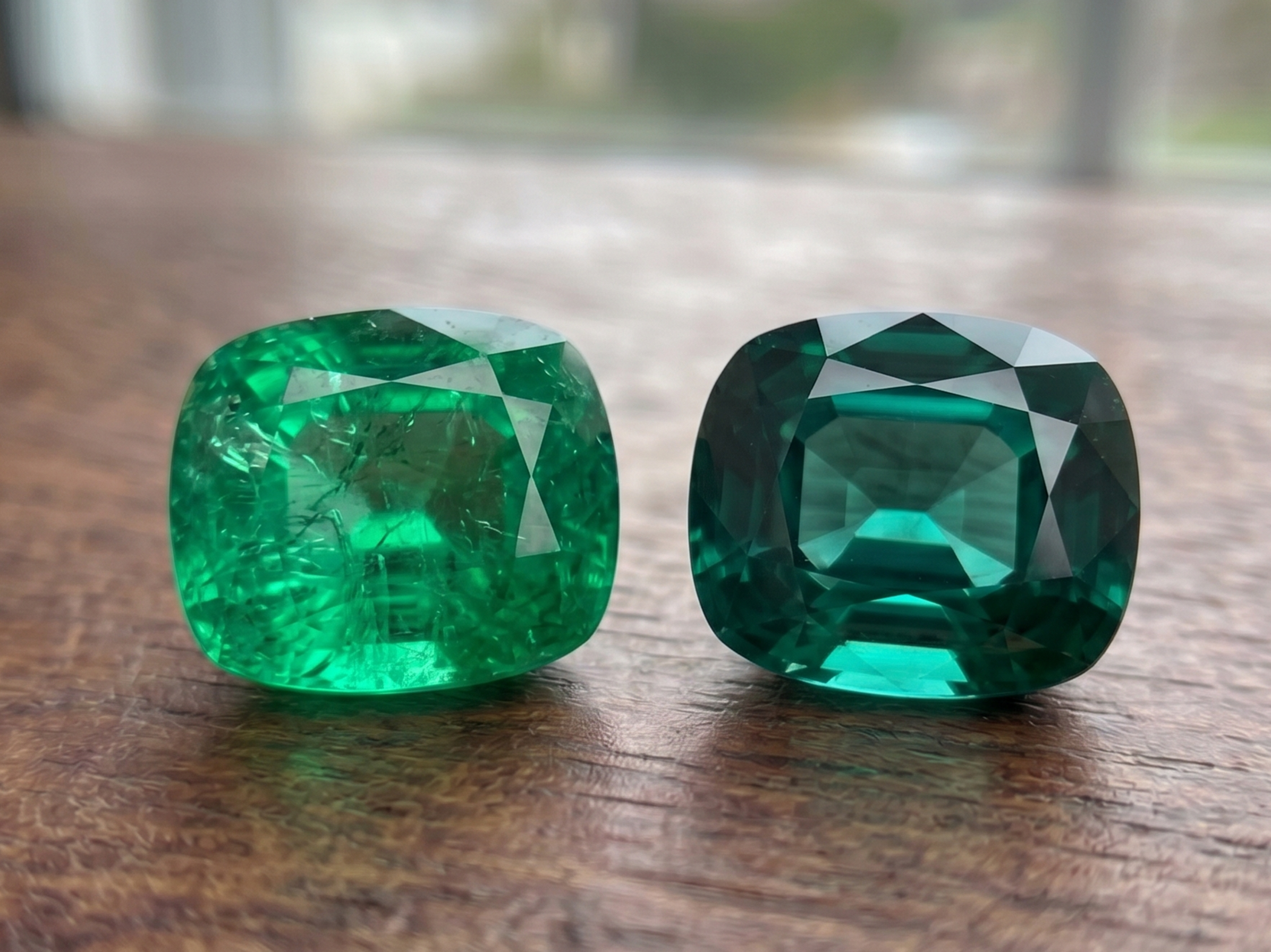
Colombian vs. Zambian Emeralds:
No origin debate is more active in the emerald trade right now than Colombian versus Zambian. Both produce fine material, both have loyal advocates, and both are frequently misrepresented. This is the practical trade guide — covering color, clarity, treatment disclosure, and value — for jewelers who want to source emeralds confidently and advise clients accurately.

Why Designers Choose Kashmir Sapphires (And How to Source Them)
Kashmir is the name that ends the conversation in the sapphire world — not because it's the most available, but because it represents a standard of color and quality the market has elevated above all others for over a century. For jewelers and designers working at the top of the colored stone market, this is the trade guide to what makes Kashmir different, why laboratory confirmation is non-negotiable, and what sourcing fine material actually looks like.
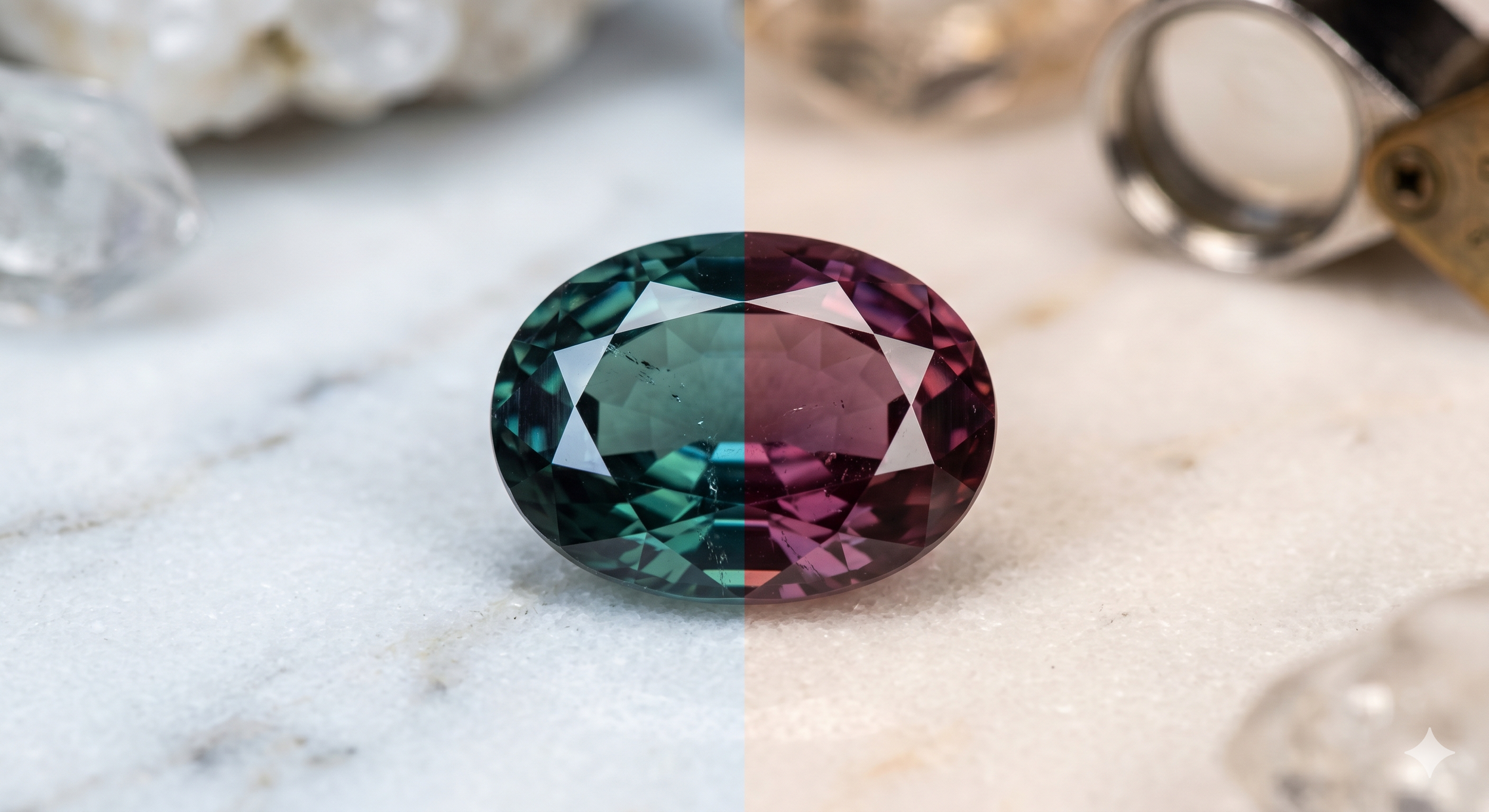
Why is Alexandrite So Expensive?
Alexandrite is one of the rarest gemstones in the world — and one of the most misunderstood. The answer to its extraordinary price lies in a combination of geological scarcity, a color change phenomenon no other stone can replicate, and a grading standard that eliminates most material before it reaches the market. A trade guide for jewelers and designers.

The Complete Guide to Tourmaline Colors
Tourmaline is the most color-diverse gemstone family in the market — from the electric neon blues of Paraíba to the deep greens of chrome, raspberry reds of rubellite, and beyond. For jewelers and designers expanding their colored stone offering, this is the complete trade reference: every major variety, what distinguishes it, and what to know when sourcing.